


Overview


Background
This age-old method of cooking guinea pig - skewered and roasted over open flames -ensures that the meat cooks evenly and absorbs the smoky aroma of firewood. Each turn of the skewer brings the meat closer to perfection, its skin crisping while the inside remains tender.
Though found across the Andes, the dish is particularly beloved in Cusco. Each community has its own technique, yet the heart of the recipe remains the same: the fire, the family gathered around it, and the unmistakable scent of huacatay.
Region
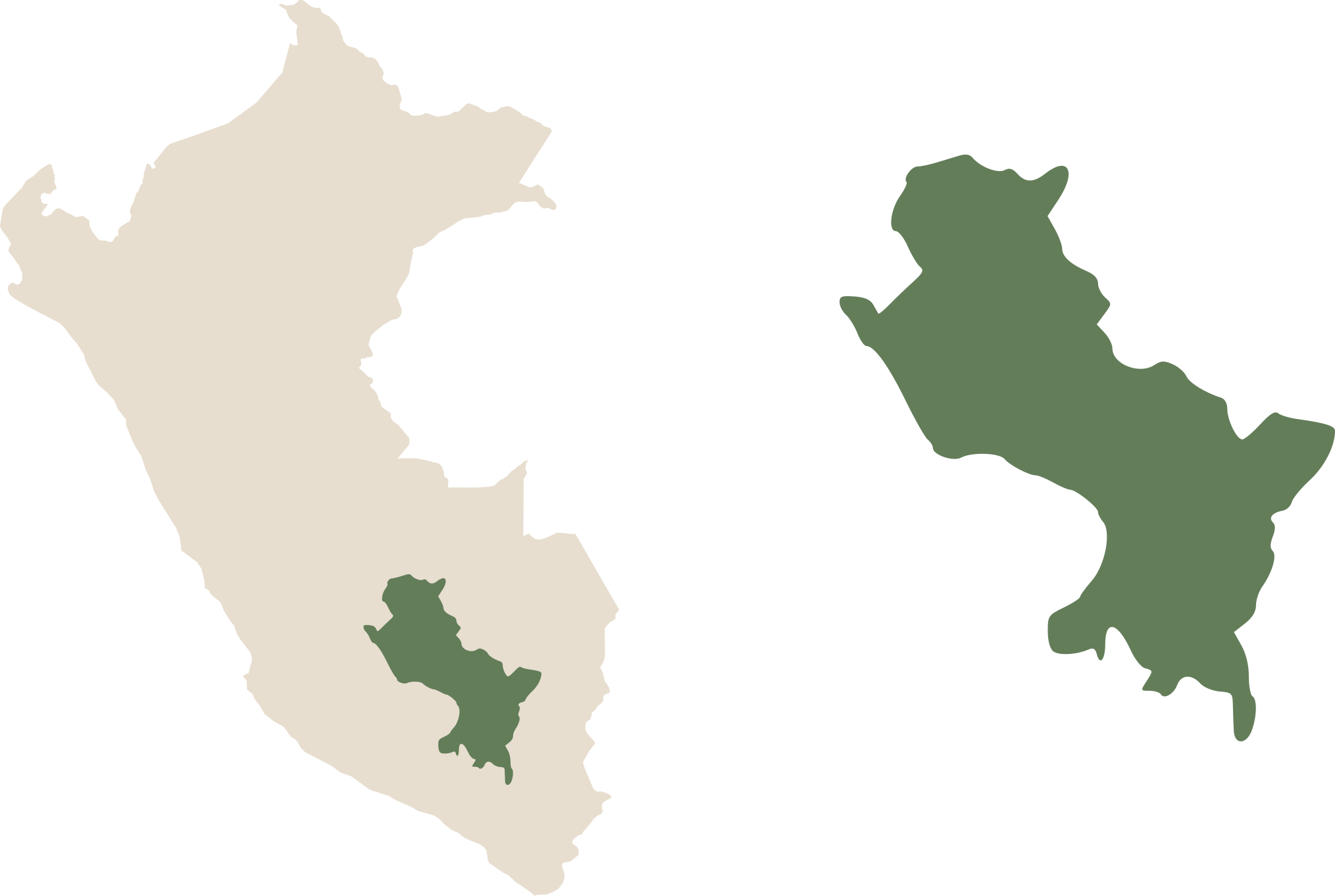
Urubamba, Cusco
Nestled in the Sacred Valley, Urubamba is a town of farmers and artisans whose traditions remain alive amid the modern world. It is known for its fertile lands, mountain views, and as a meeting place for ancient and contemporary Andean culture.
, a pre-Inca village 30 kilometers from Cusco, is famous for its weaving traditions and highland landscapes. Its people are both farmers and artisans, preserving ancestral textile methods and communal farming practices passed down through generations.
Cook
Victoria Ila
Victoria learned this recipe alongside her family’s other ancestral dishes. From harvesting potatoes to lighting the fire, every step is a family ritual. Her cuy is known for its perfect seasoning - simple, balanced, and deeply traditional.

Recipe
Vegetables & Legumes
- Papa compis (local potato)
- Carrot
- Peas
- Onion
- Rocoto chili
- Mushrooms
- Purple cabbage (Res morada)
- Garlic
- Tomato
- Peanuts
Proteins
- Guinea pig (cuy)
- Ground beef
- Egg
Herbs & Spices
- Huacatay
- Hierbabuena (spearmint)
- Laurel (bay leaf)
- Turmeric (palillo)
- “Doña Agusta” (local seasoning mix)
- Salt
- Lemon
Other
- Oil
- Flour
- Sugar
- Pasta noodles (tallarín)
Step 1
Clean and season the cuy with huacatay, salt, and lemon.
Step 2
Skewer it and roast slowly over a wood fire, brushing with oil to keep it golden.
Step 3
Boil potatoes and prepare a stuffed rocoto by filling it with ground meat, vegetables, peanuts, and herbs. Coat with batter and fry until crisp.
Step 4
Cook noodles and toss them in a light tomato-garlic sauce.
Step 5
Serve the roasted cuy with the stuffed rocoto and noodles- a vibrant, celebratory meal.