


Overview


Background
Manono combines lean sheep meat and fresh blood - a reflection of the Maasai’s deep relationship with their livestock. The key is animal fat, rendered slowly over firewood, creating a meal both sacred and sustaining.
Once reserved for warriors and special occasions, Manono remains a dish of respect and vitality. It honors the act of provision -men preparing food that symbolizes endurance, unity, and care for the community.
Region
Kajiado, Ngong
Stretching across Kenya’s semi-arid Rift Valley, Kajiado is home to the Maasai, whose traditions of herding, beadwork, and communal living remain strong. The rolling savannas and acacia plains frame daily life, where food, ceremony, and identity are inseparable.

Cook
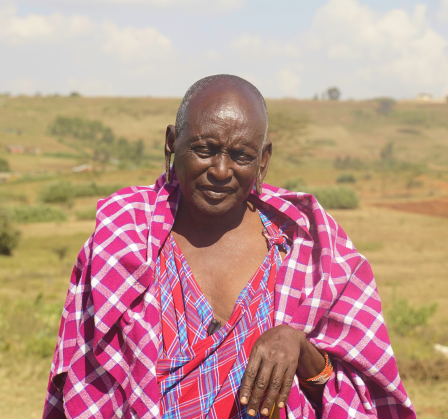
Samuel Kecha
Samuel, from Osupuko village, is the elder of his homestead and a guardian of Maasai culinary customs. He prepares warrior dishes like Manono and Rongena, teaching younger men the rituals of slaughter, cooking, and sharing meat -essential acts of cultural continuity.
Recipe
Protein
- Sheep meat
- Sheep blood
Other
- Animal fat
- Firewood
Step 1
Cut the goat meat into pieces and slowly render the fat in a large pot.
Step 2
Add the meat and cook over a wood fire until browned.
Step 3
Pour in a small amount of blood, stirring constantly until thickened.
Step 4
Cook until the mixture becomes rich and creamy, then serve hot - a dish of strength and heritage.