


Overview


Background
After slaughter, the goat’s stomach lining and intestines are carefully cleaned with water and sometimes ash. The tripe is then boiled or roasted directly over embers - simple cooking that highlights respect for the animal and resourcefulness in the kitchen.
Soft, smoky, and nourishing, Monyit is often served to women and children, though it is enjoyed by the entire family. It reflects the Maasai philosophy that every part of an animal holds value, and that sharing food is an act of care.
Region
Kajiado County (Ngong, Kibiko)
Home to sweeping plains and highland breezes, Kajiado County embodies the rhythm of Maasai life - herding, storytelling, and communal meals that sustain both body and culture.

Cook
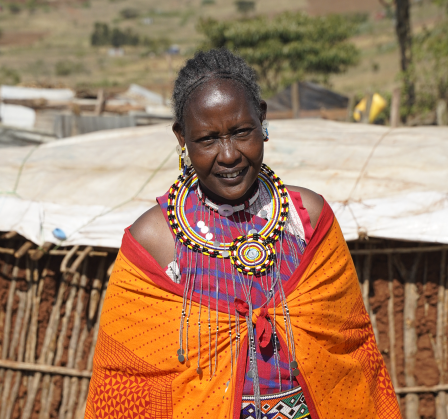
Lucy Nguri
Lucy, the matriarch of her family in Osupuko Village, is a custodian of traditional Maasai recipes like Monyit and Munyua. She learned them from her mother and grandmother, carrying forward the knowledge that food is not only nourishment but lineage itself.
Recipe
Protein
- Sheep Intestines
Other
- Water
- Ash (for cleaning)
Step 1:
Clean the tripe thoroughly with water and ash to remove impurities.
Step 2:
Cut into strips and either roast over embers for a smoky flavor or boil gently in water until tender.
Step 3:
Serve hot and share among family - a simple meal rooted in respect for the animal and for one another.