


Overview


Background
Puchero traces its roots to pre-Hispanic times and was later influenced by Spanish colonial cuisine. It is a boiled stew rich in meats, roots, and vegetables, embodying both Andean and European traditions. Prepared especially for the Carnival of Compadres and Comadres, it is a dish that brings families and neighbors together around shared pots and laughter.
Known locally as T’impu, this dish highlights the bounty of the highlands. Its broth combines the savory depth of lamb and preserved meats with the sweetness of native tubers and corn. In Cusco, the recipe varies from town to town, but it always represents abundance- a meal meant to be shared.
Region
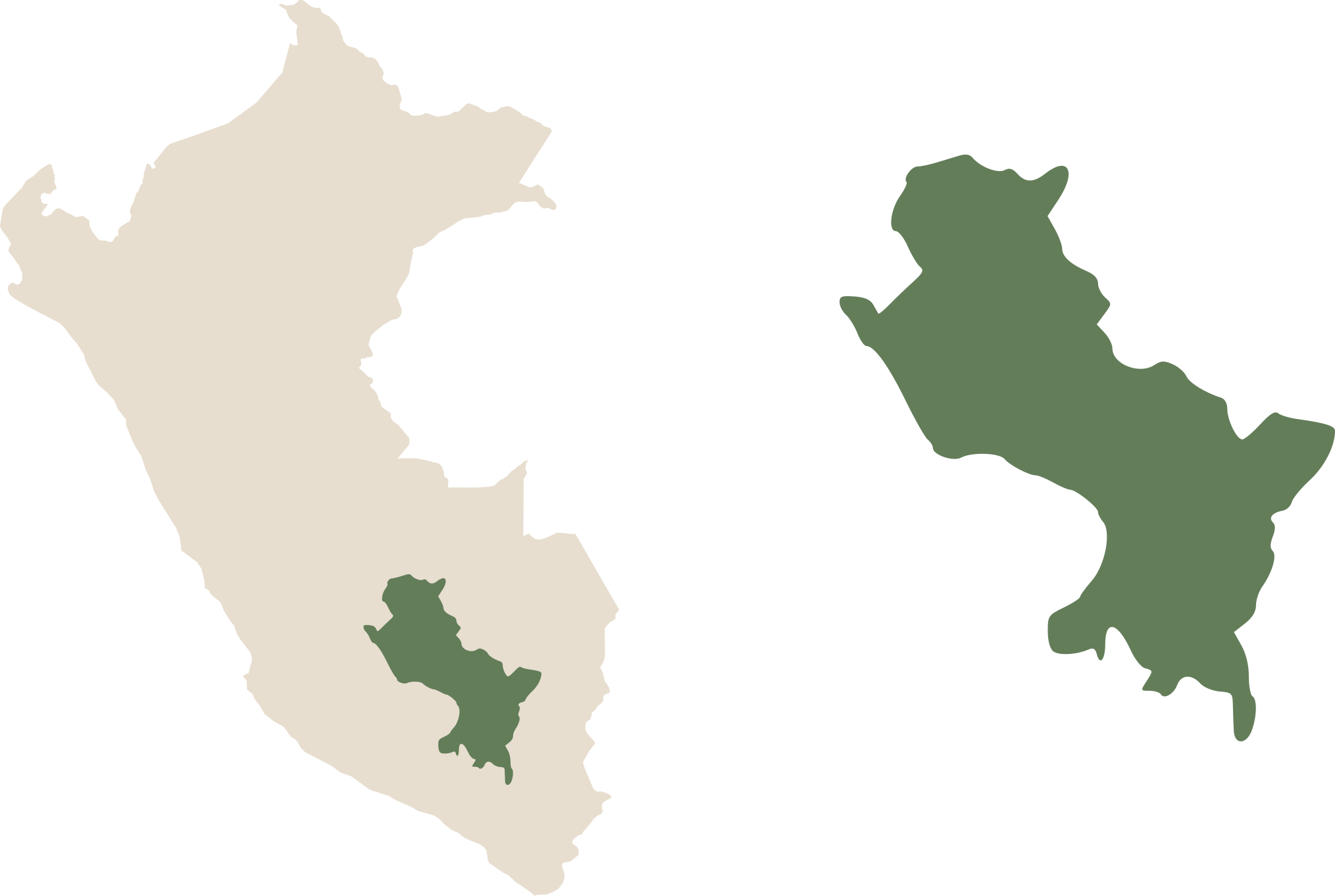
Chinchero, Cusco
Chinchero, a pre-Inca village 30 kilometers from Cusco, is famous for its weaving traditions and highland landscapes. Its people are both farmers and artisans, preserving ancestral textile methods and communal farming practices passed down through generations.
Cook
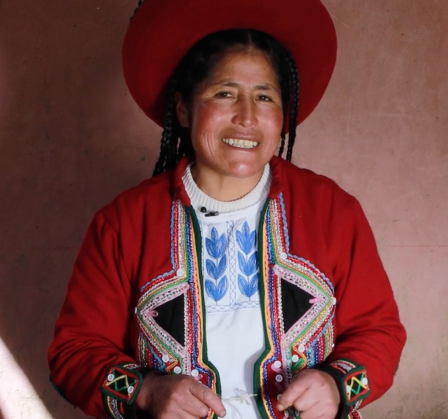
Braulia Puma
Braulia, a weaver and farmer from Pucamarca in Chinchero, is part of the women’s cooperative Pumaqwasin. Between weaving sessions, the women gather to cultivate their land, raise livestock, and prepare regional dishes together. During Carnival, Braulia leads the preparation of Puchero, using ingredients grown in her own fields- a celebration of labor, land, and togetherness.
Recipe
Vegetables & Legumes
- Moraya (freeze-dried potato)
- Sweet potato
- Cassava (yuca)
- Potato
- Cabbage
- Carrot
- Sweet potatoes (duplicate entry, listed once)
- Corn on the cob
- Sacha tomato (from the Uchucuta sauce ingredients)
- Rocoto chili (from the Uchucuta sauce ingredients)
- Peanuts (legume, used in the sauce)
Proteins
- Cecina (salted dried meat)
- Charqui (dried llama or beef jerky)
- Lamb meat
Herbs & Spices
- Huacatay
- Cilantro
- Oregano
- Salt
Other
- Chicha de Jora (fermented corn drink made from guiñapo maize)
Step 1
Wash and chop all vegetables and boil them until tender.
Step 2
Boil potatoes, sweet potatoes, and cassava - one portion of each per person.
Step 3
In another pot, cook both fresh and dried meats until soft.
Step 4
Prepare uchucuta sauce by roasting rocoto, peeling sacha tomato, and grinding them with peanuts, cilantro, and huacatay on a batán until thick.
Step 5
Combine all cooked ingredients in a large pot, simmer until flavors meld, and serve each portion with a ladle of broth and a spoonful of uchucuta.